Assumptology: The Titanic - When 'Unsinkable' Met Reality
How a single unquestioned assumption turned the world's most advanced ship into history's most famous disaster
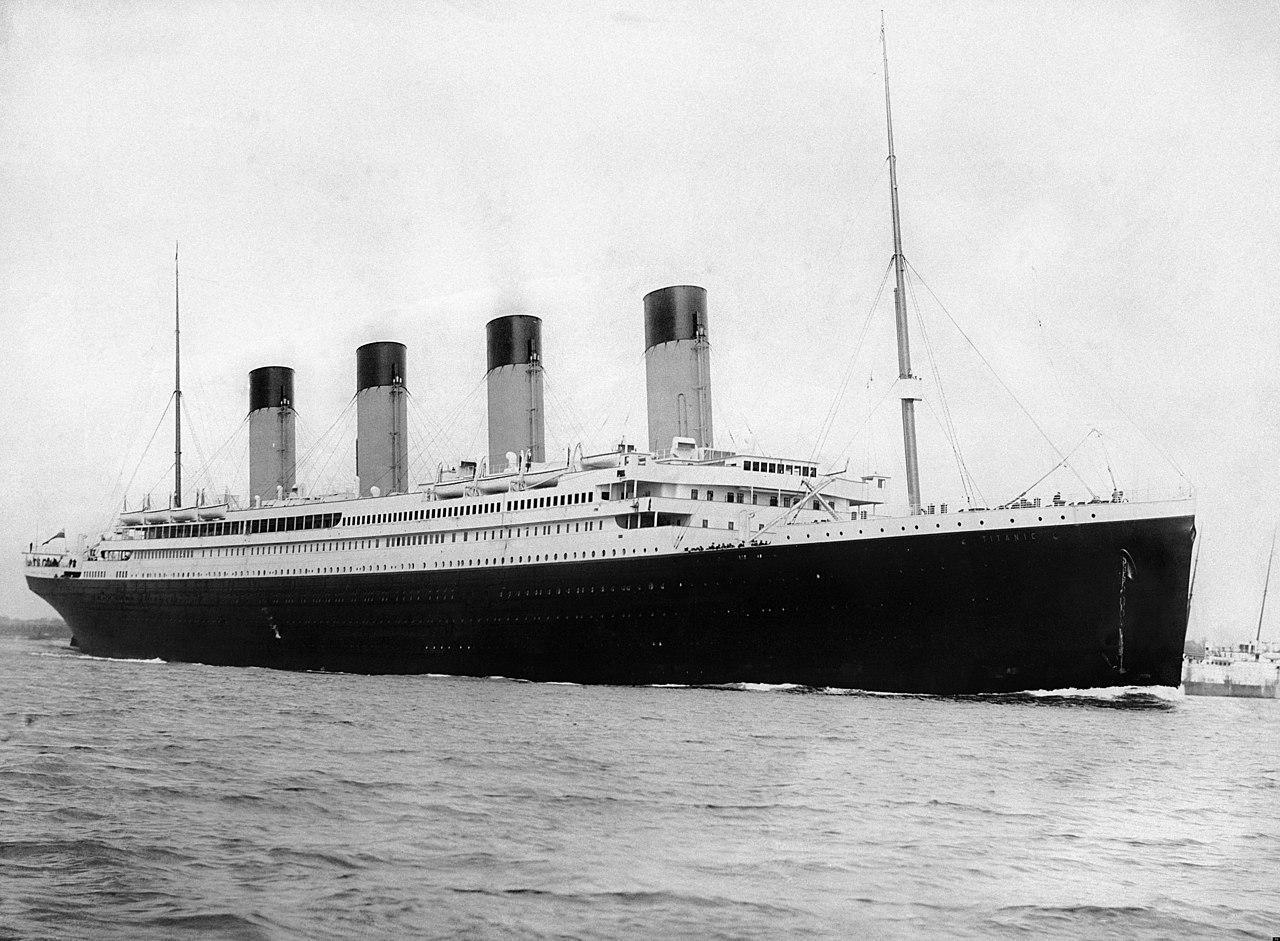
“Unsinkable.”
That’s what they called the RMS Titanic. Not as marketing hype, but as engineering fact.
The ship had sixteen watertight compartments. It could survive four of them flooding. The designers had done the maths. The naval architects had signed off. The experts agreed.
On April 14, 1912, the iceberg opened six compartments.
The Titanic sank in less than three hours. Over 1,500 people died.
But here’s the thing: the disaster didn’t start when the ship hit the iceberg.
It started with an assumption.
Analysing the Titanic using Assumptology
Let’s analyse the sentence:
“Titanic is unsinkable.”
Assumptology starts by asking: what assumption web would make this sentence intelligible? Because “unsinkable” is not a material property of the Titanic in the way “made of steel” is. It is a status claim, a conclusion produced by a model that relates the ship to a range of anticipated conditions in the world.
In other words, the sentence is shorthand for something like:
Titanic will not sink under the kinds of damage we consider plausible.
That immediately reveals the hidden structure: “unsinkable” is not one fact, but a bundle of definitions, conditions, and assumptions.
The minimal web that makes the claim meaningful
To even understand the sentence, we need a background model of what “sinking” is and what would prevent it.
At the base layer are very general physical commitments:
Gravity pulls the ship towards the centre of the Earth.
Buoyancy provides an opposing force that keeps the ship afloat.
A ship remains afloat only so long as it maintains sufficient reserve buoyancy and stability.
If flooding reduces buoyancy/stability beyond a critical threshold, the ship becomes non-survivable, and we call that “sinking.”
So “unsinkable” cannot mean “the ship cannot go down in any imaginable world.” It means: given this physical picture, plus a threat model, plus acceptance criteria, the ship is expected to remain afloat.
Where the hidden assumptions enter
Once you move from “what is sinking?” to “what would make sinking impossible?”, the analysis becomes recursive:
What would have to be true for flooding to remain containable?
Under what damage patterns does containment hold?
What must be assumed about how accidents occur?
What is being treated as “too unlikely to matter”?
Those are not engineering calculations; they are assumptions about reality that frame which calculations count as decisive.
Interactive assumption explorer
To make that recursive structure visible, we’ve prepared an interactive assumption explorer below. It expands the claim “Titanic is unsinkable” into the nested assumptions that quietly support it, until one of them fails. Feel free to explore by interacting with the component below:
The Lesson
The lesson isn’t “model every scenario.” That’s impossible.
The lesson is that making a sentence intelligible with respect to the world requires an assumption web, a map of the dependencies that quietly make the claim meaningful.
“Titanic is unsinkable” only becomes a real statement once you specify the supporting structure: what “sinking” means, what counts as plausible damage, what thresholds define failure, and what background conditions are being held fixed.
When those dependencies stay implicit, the claim looks absolute. It stops being interrogated. It becomes infrastructure.
When the dependencies are made explicit, several things become possible:
You can see which assumptions are doing the work (and which are merely decorative).
You can see where the claim is brittle: which assumptions, if violated, collapse the whole conclusion.
You can compare alternative webs: what if this assumption is weakened, replaced, or removed?
And crucially: you can attach uncertainty where it belongs, not to the conclusion as a whole, but to the specific assumptions and conditional links inside the web.
At that point you don’t need perfect prediction. You need clarity.
Because catastrophic failures rarely come from the equations. They come from the unwritten bounds, the assumptions that were treated as “obvious” until reality stepped outside them.