When the wrong assumption cost an empire
Why assumptology?
When the Wrong Assumption Cost an Empire
In 560 BC, Croesus, King of Lydia, faced a decision that would determine the fate of his empire. The Persian Empire was rising in the east. Should he strike first?
He did what powerful men did in those days: he consulted the Oracle of Delphi.
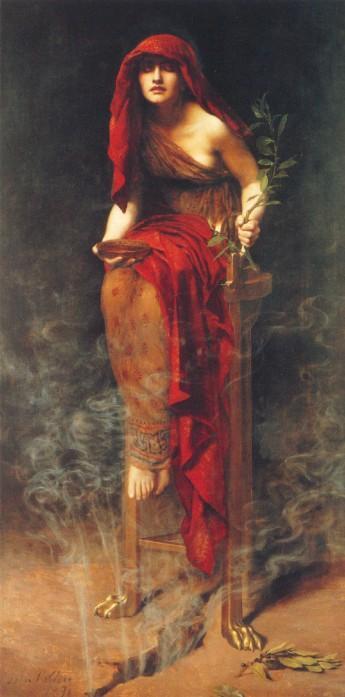
The Pythia, the priestess who channeled Apollo’s wisdom, delivered her answer:
“If you attack Persia, a great empire will fall.”
Croesus was delighted. He attacked.
A great empire fell. His own.
The Oracle Didn’t Lie
Here’s what makes this story so instructive: the Oracle’s answer was perfectly true. A great empire did fall. The Pythia never said which one.
Croesus heard what he wanted to hear. He filled in the blank with his own assumption, that “great empire” meant Persia, not Lydia. That the prophecy was encouragement, not warning.
He had the right question. He received a true answer. And he still walked straight into catastrophe.
This isn’t a story about a tricky Oracle. It’s a story about the assumptions we don’t know we’re making.
How Delphi Actually Worked
The Oracle of Delphi was the most prestigious source of guidance in the ancient Greek world for nearly a thousand years. Kings, generals, and ordinary citizens made pilgrimages to ask the Pythia their most important questions.
But the Oracle didn’t work like a search engine. You didn’t get clear, actionable answers. You got responses, often ambiguous, metaphorical, or riddling, that required interpretation.
This wasn’t a flaw. It was the design.
The petitioner had to do the work. They had to sit with the response, examine it, test it against their situation. The Oracle provided a mirror, not a manual.
And inscribed at the entrance to the temple were the words that framed the whole encounter:
“Know thyself.”
Before you ask the god for answers, know who is doing the asking. Know what you assume. Know what you want to hear.
The Assumption Gap
Croesus’s failure wasn’t intelligence. He was a successful king, wealthy and powerful. His failure was the gap between what was said and what he assumed.
The Oracle’s statement: “A great empire will fall.”
What Croesus heard: “You will destroy Persia.”
The gap is where the assumption lives. And Croesus never looked there.
He could have asked follow-up questions:
- Which empire?
- What are the conditions for success?
- What am I not seeing?
But he didn’t, because he didn’t know he needed to. His assumption was invisible to him. It felt like the obvious reading, not a choice.
The Modern Parallel
We don’t visit oracles anymore. We ask Google. We ask ChatGPT. We ask experts.
And we get confident answers, much clearer than anything the Pythia ever offered.
But the assumption gap hasn’t gone away. It’s just harder to see.
When you ask an AI a question, you get a fluent, authoritative-sounding response. But that response is shaped by:
- How you framed the question
- What the model assumes you meant
- What data it was trained on
- What it’s optimised to produce
And none of that is visible to you.
You’re Croesus, receiving an answer, filling in the gaps with your own assumptions, and walking away confident.
The Oracle at least had the decency to be ambiguous. Modern oracles sound certain, which makes the assumption gap even more dangerous.
Know Thyself
The Delphic maxim wasn’t mystical hand-waving. It was practical advice: before you seek answers, examine the one who’s asking.
What do you want to be true? What are you afraid of? What would you rather not question?
These shape the questions you ask, and how you interpret whatever answers you receive.
Croesus wanted Persia to fall. So that’s what he heard.
What do you want to hear? And what might you be missing because of it?
The Oracle’s Real Gift
The Oracle of Delphi didn’t give people certainty. It gave them something more valuable: a prompt, a response that forced reflection, that required the petitioner to engage their own judgement.
The modern world has inverted this. We want answers delivered, certainty provided, thinking outsourced.
But the assumption gap remains. And it doesn’t care how confident the answer sounds.
The Oracle never lied to Croesus. He lied to himself, with an assumption he never thought to question.
What assumptions are you making right now that feel so obvious you’ve never examined them?
That’s the question Delphi still asks.