The Hidden Hospital Part 2: A Story About Assumptions
The Hidden Hospital: A Story About Assumptions
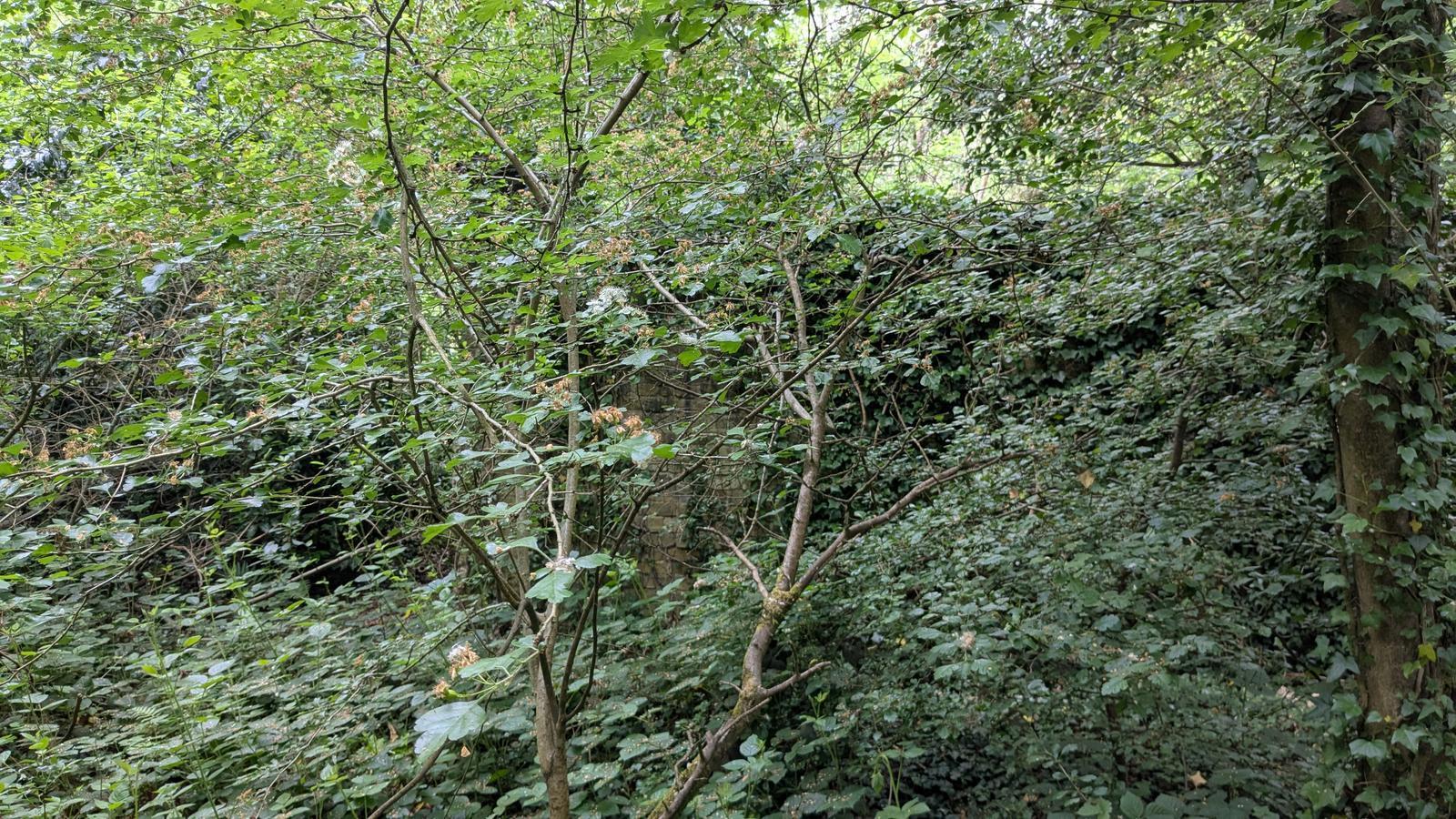
Earlier in May, I wrote about the hidden hospital, an intriguing structure that had piqued my curiosity. In that first blog post, I shared how I had assumed that locating it would be straightforward. After all, I’d seen it before, or at least I thought I had. But when I tried to pinpoint where exactly I had seen it, my memory was foggy. What started as a simple recollection turned into a real adventure.
The wooded area surrounding the site is familiar to me, but as I quickly discovered, I didn’t know every corner as well as I thought. I recalled seeing part of the hospital before, and I included a photo of the old gatepost in that previous post. But the rest of it? That was a mystery.
Once I found the first gatepost, I assumed the ruins would be located at a corner of what once was the boundary wall. My online research suggested that the remains were likely from a boundary structure rather than a building itself. Previously, I had stumbled upon the area by wandering aimlessly, trusting chance to lead the way. This time, I decided to take a more methodical approach.
From an Assumptological perspective, I narrowed down the possibilities by introducing other assumptions: that the layout was square, that the gatepost marked a corner, and that the orientation of the wall implied where the other corners might be. I remembered passing another part of the wall on my way to the gatepost, and along that path I noticed patches of concrete and what looked like old paved areas. That was a clue: the path must have cut through the area in the past.
The dense vegetation made it hard to track the line of the wall directly, but I pressed on. After weaving through a particularly tangled section of woodland, I caught sight of another portion of the boundary wall. With my assumptions about the square shape and the orientation in mind, I estimated where the next corner would be. I experimented with different paths through the undergrowth, using the layout of the old wall as my guide.
Slowly but surely, the hidden hospital revealed itself, piece by piece, assumption by assumption. This overgrown ruin was once a smallpox hospital. It looks abandoned. Forgotten. But it’s actually a monument to progress. We didn’t need to preserve it, because we no longer need it.
Each discovery was a small victory, a testament to how our assumptions shape our search for answers. And in the end, this forgotten site became a powerful reminder: what we leave behind can tell us as much about our past as it does about the world we’ve built to move beyond it.